
Backlighting has become a signature design element in architecture, retail environments, hospitality, and luxury residential projects. When done well, it creates depth, elevates materials, and delivers a polished, high-end visual experience. But when done poorly, backlighting exposes one of its biggest challenges: hotspots.
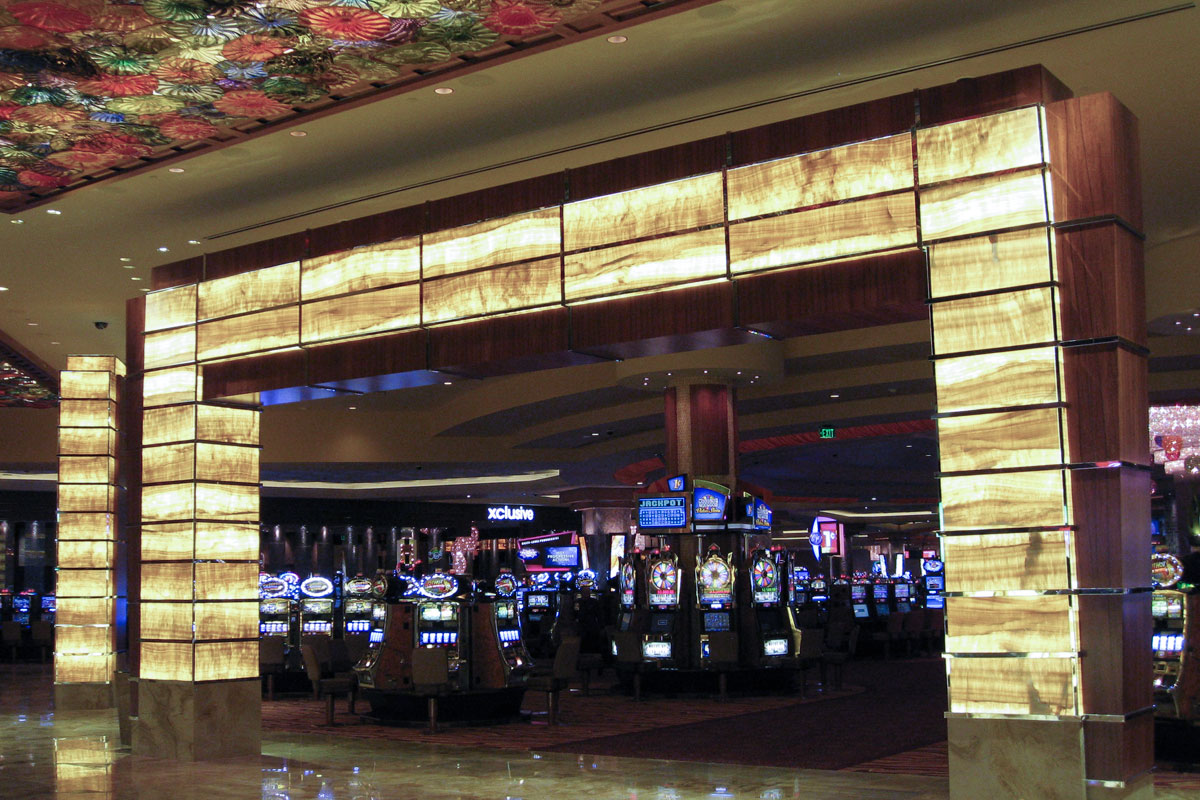
Hotspots occur when the light source becomes visible through the surface material, creating brighter patches or banding. This not only disrupts the visual effect but also signals an installation that lacks the right diffusion strategy. Fortunately, hotspots are preventable – when you understand the science behind diffusion.
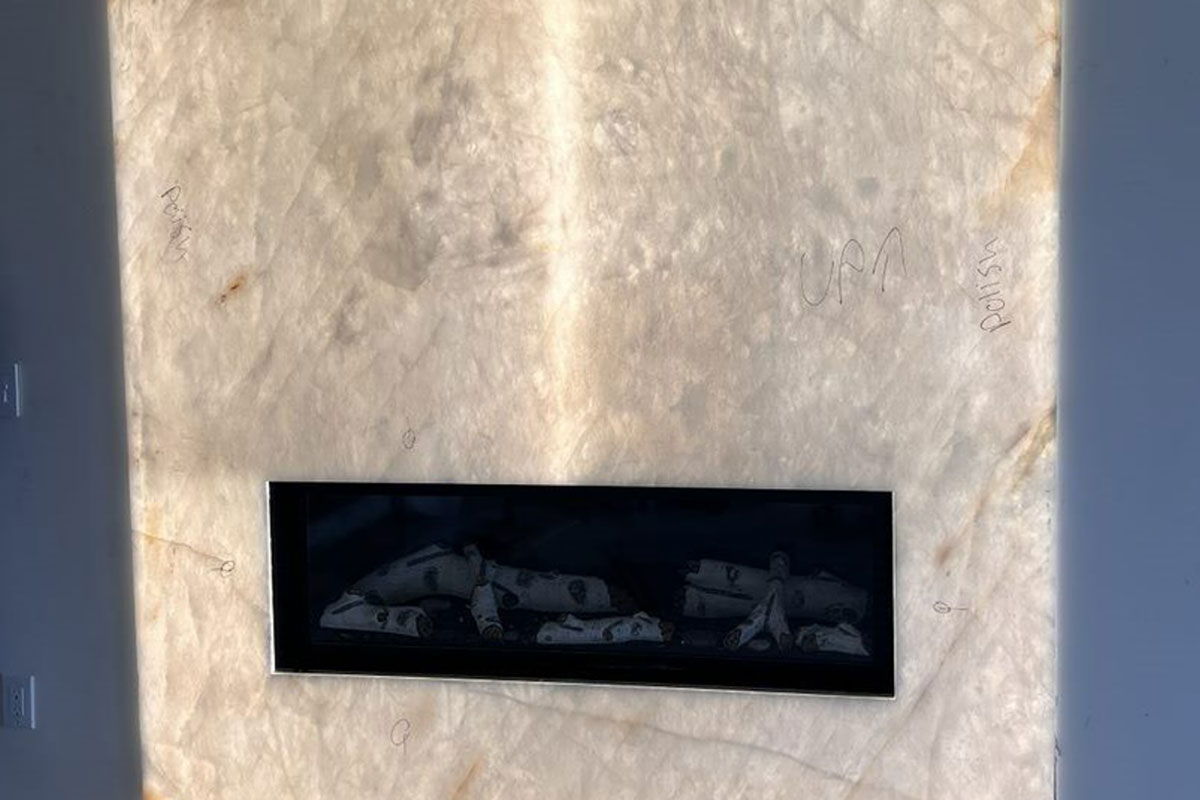
This blog breaks down what causes hotspots, how diffusion actually works, and what designers, fabricators, and installers can do to guarantee smooth, uniform illumination every time.
Hotspots form when light travels unevenly through a translucent material. Common causes include:
Understanding these variables helps determine how to control them.
Diffusion is the process of scattering light so that it appears soft and evenly distributed. From a physics standpoint, it relies on three key factors:
As photons move away from the LED, they naturally spread out, reducing angular intensity and producing a more uniform wash. This is why setback distance is one of the most critical design considerations.
Materials such as frosted acrylic, engineered diffusion layers, and specific translucent surfaces scatter light in micro-directions. When chosen correctly, they act as a buffer between the source and the viewer.
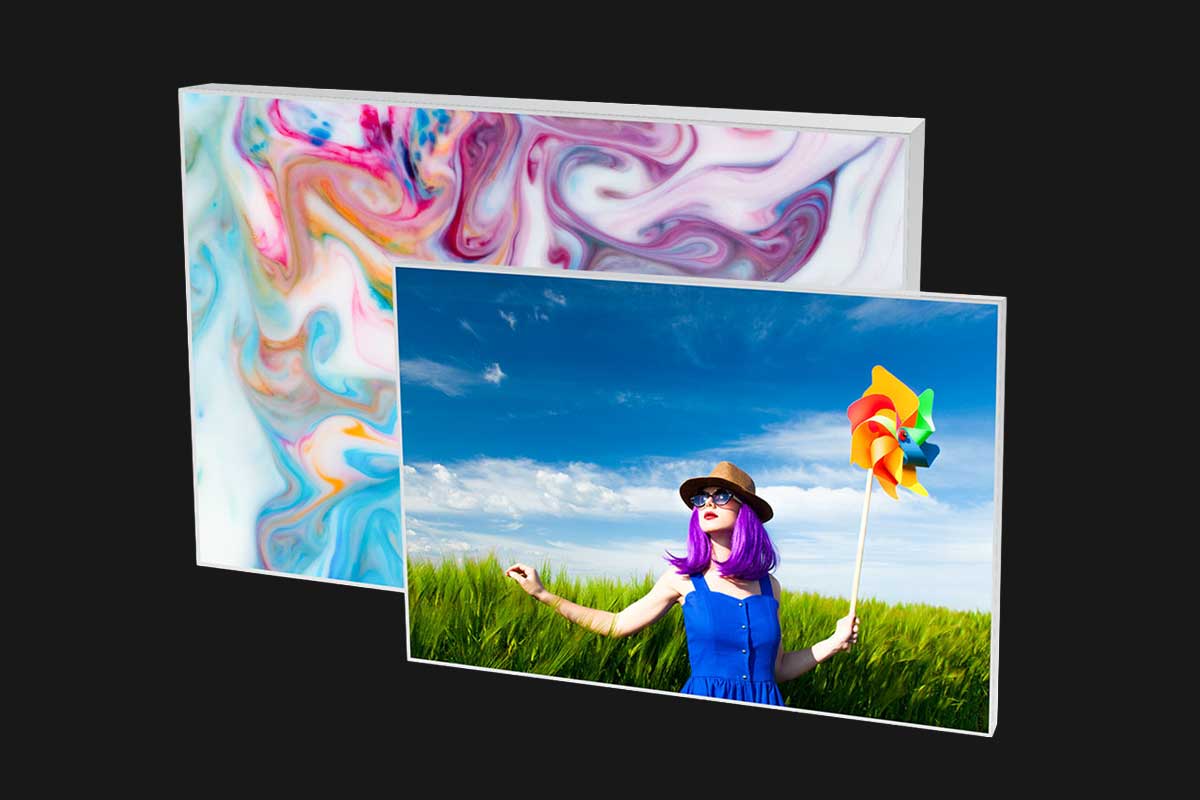
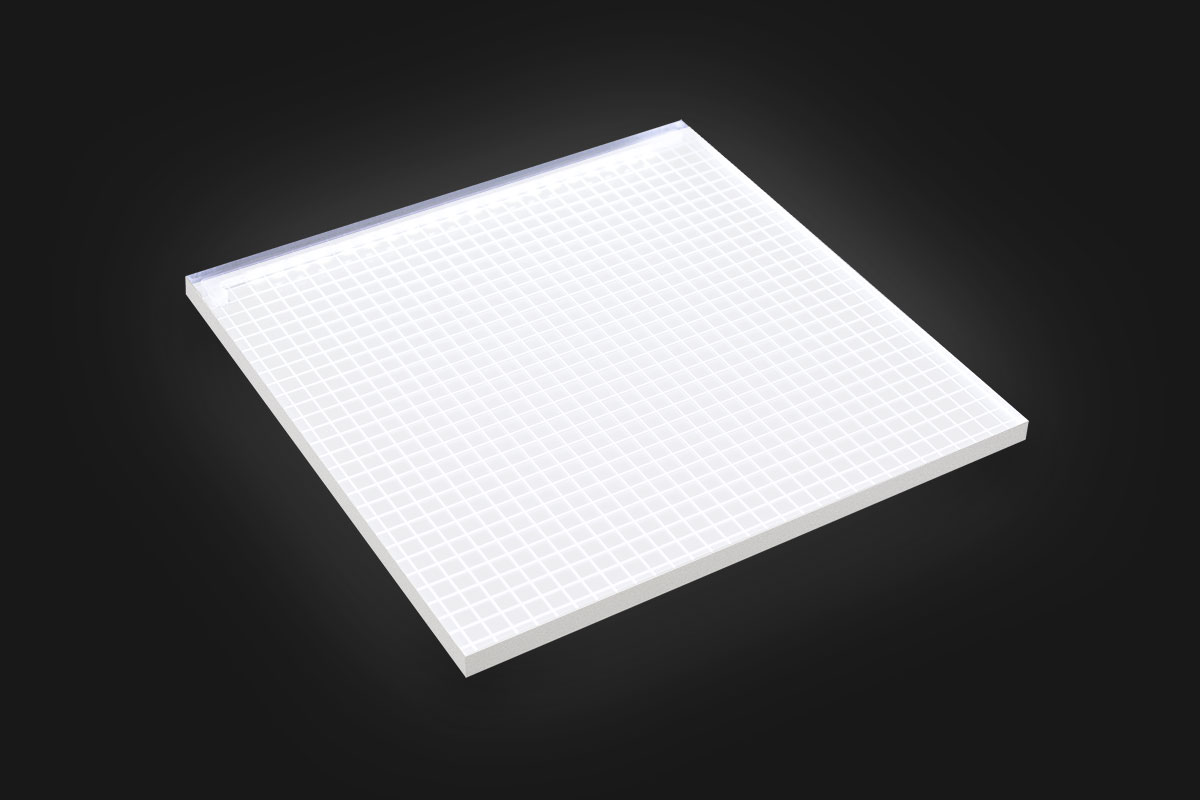
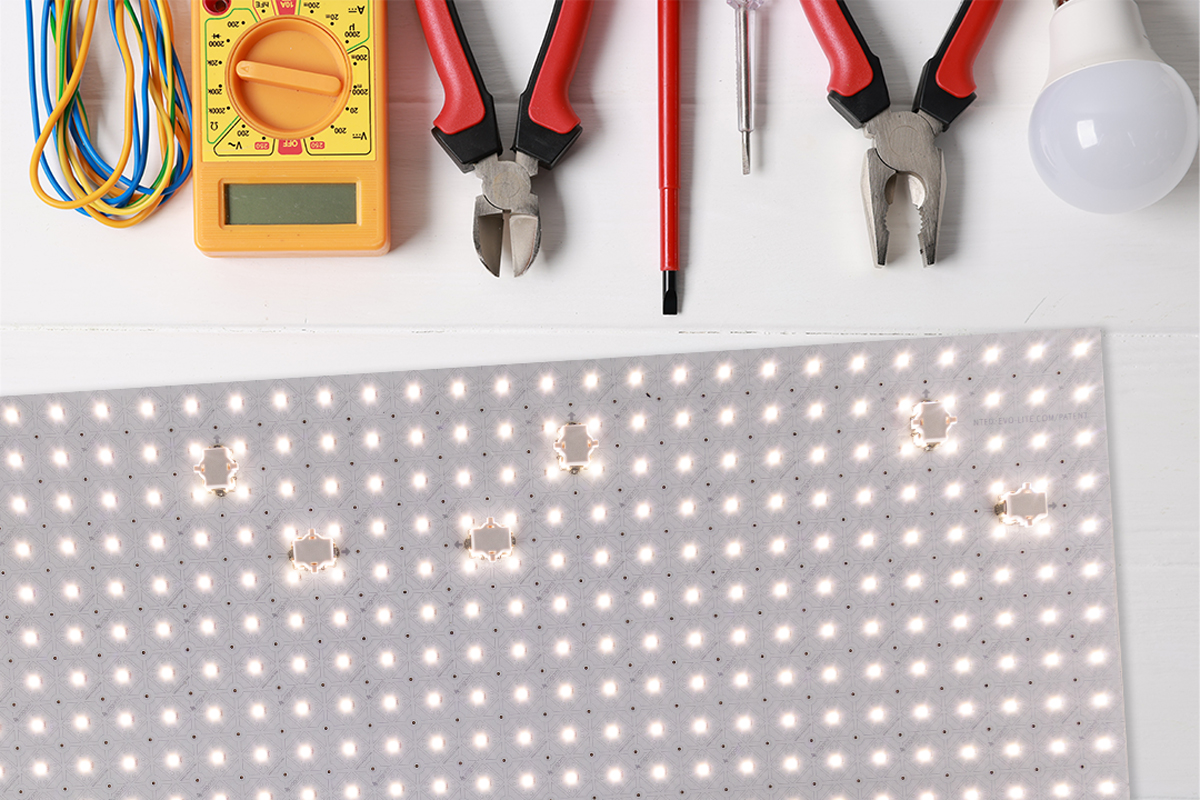
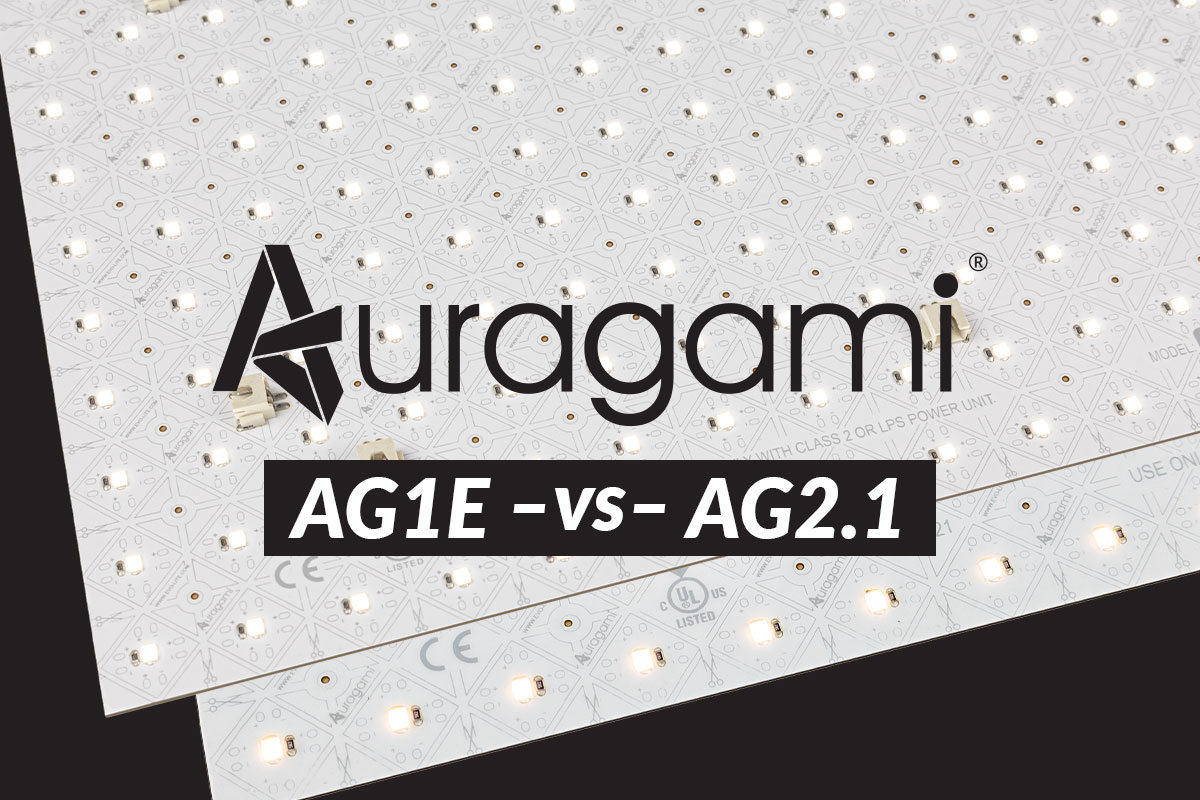
A continuous light-emitting surface – like Evo-Lite’s Auragami Flexible Light Sheet – creates smoother diffusion than products like LED modules, tape light, or rigid bars.
When all three work together, the light blends before it reaches the visible surface.
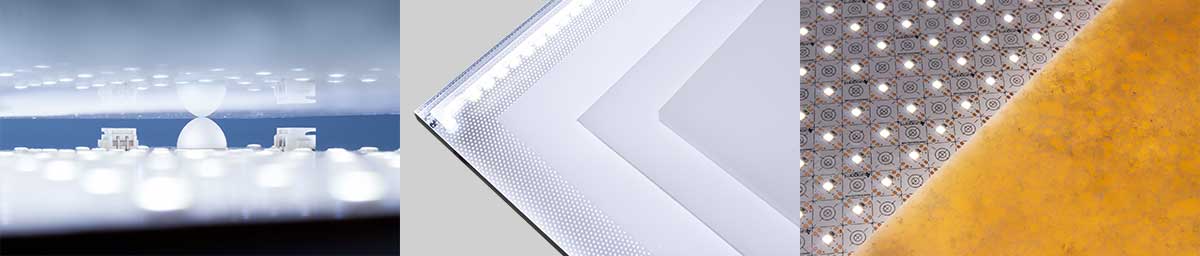
Flexible light sheets provide the most uniform base because the LEDs are evenly distributed across a large area. Unlike LED strips, they minimize the risk of spacing irregularities and inconsistent output.
As a rule of thumb, more distance means better diffusion. If the application can’t accommodate depth, you may need a higher-efficiency diffuser or a more uniform lighting source.
Opal acrylic, diffusion films, and engineered light-management layers can dramatically reduce hotspots. Not all diffusers are equal – testing is essential.
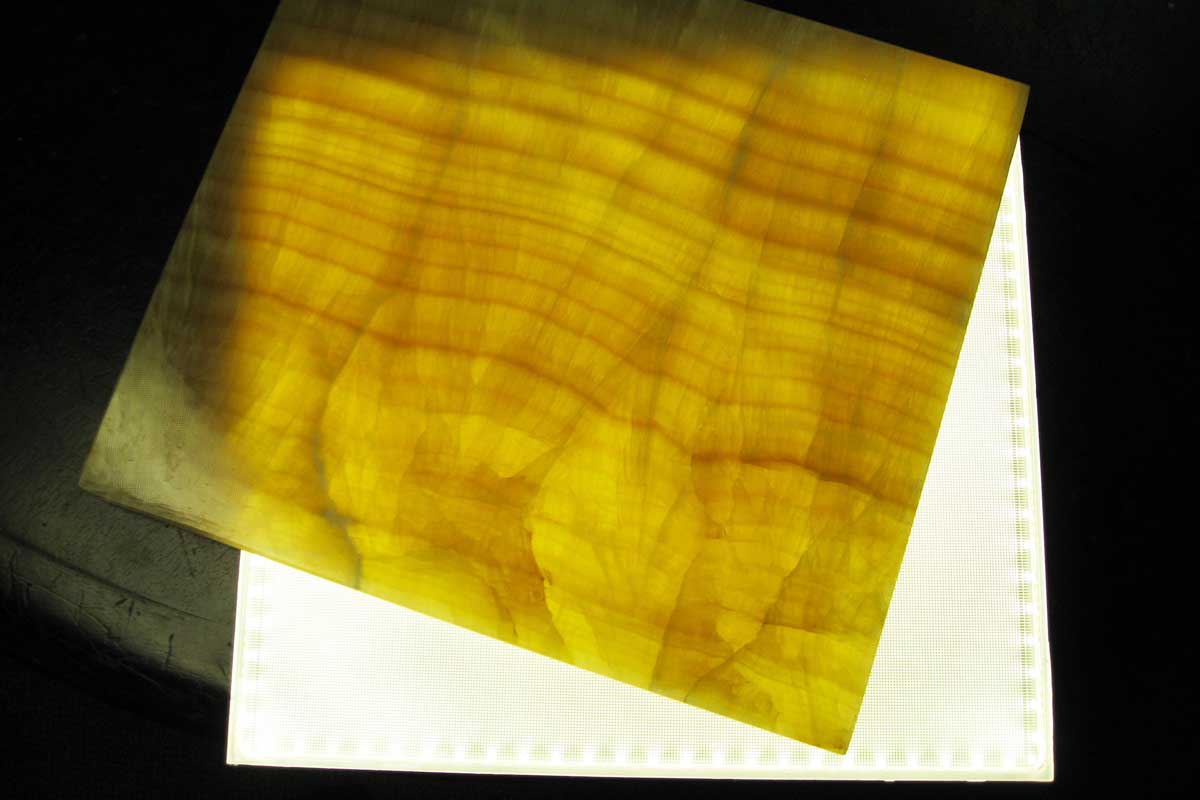
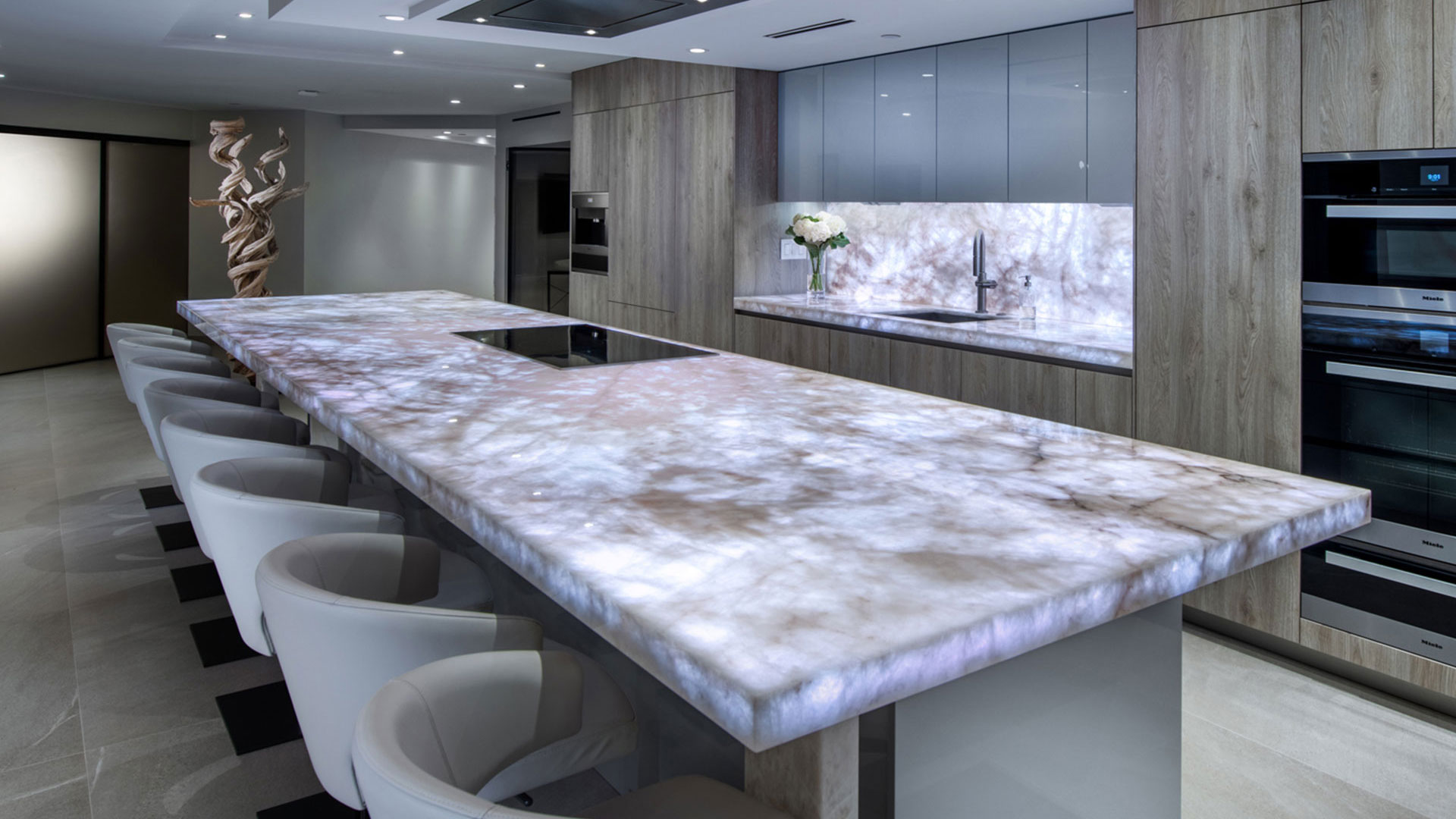
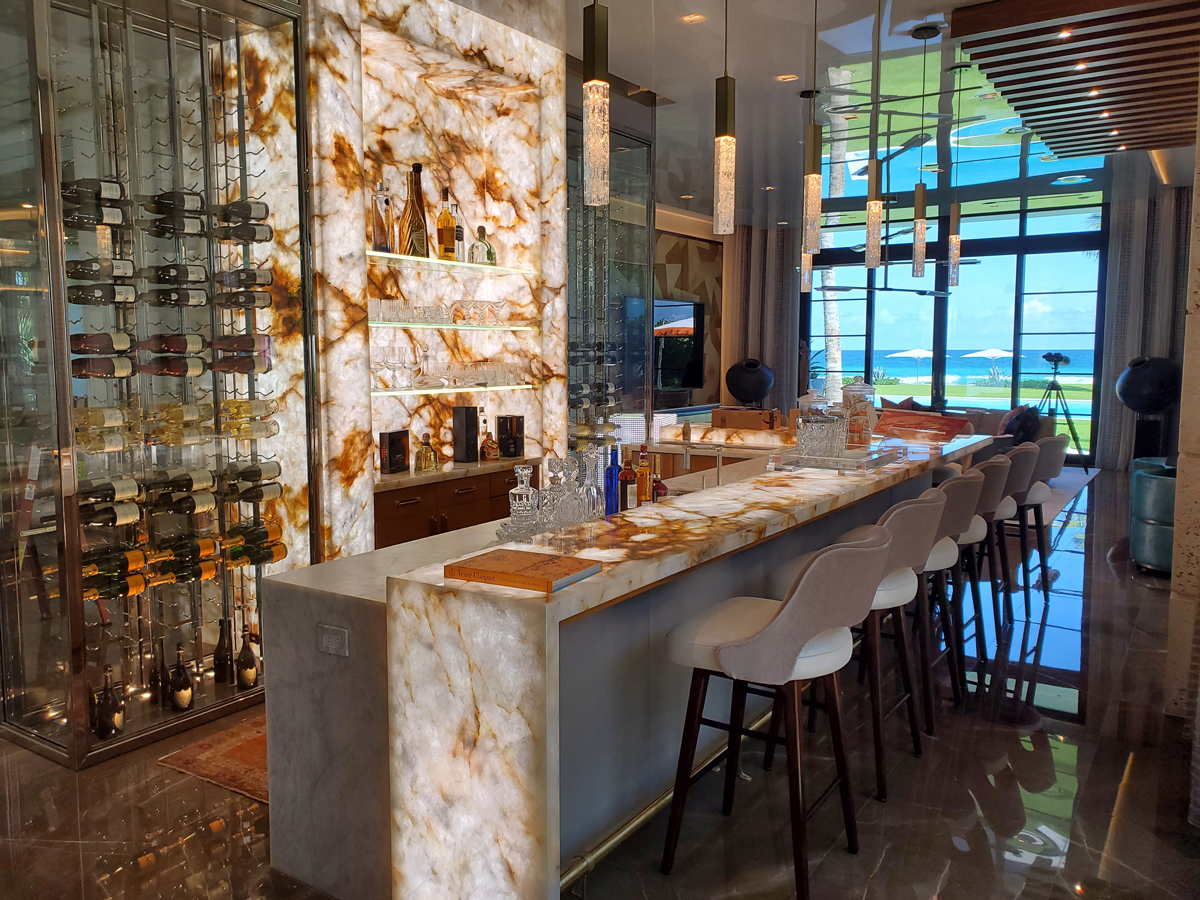
Some surfaces, like onyx, quartzite, or engineered resin panels, have density / transparency variances – which we refer to as the material’s inherent diffusion. Leverage spatial and optical diffusion techniques against the material’s inherent properties to achieve a successful result.
Hotspots sometimes appear only at full output. With smart dimming, you can soften illumination and increase uniformity without sacrificing visual impact.
A mock-up is always the best insurance policy. Small tests reveal material behavior diffusion needs, and any potential challenges before installation begins. Testing isn't a suggestion – it's a requirement. If you discover diffusion issues after the forward-facing material is installed, you're going to face unnecessary expenses and delays.
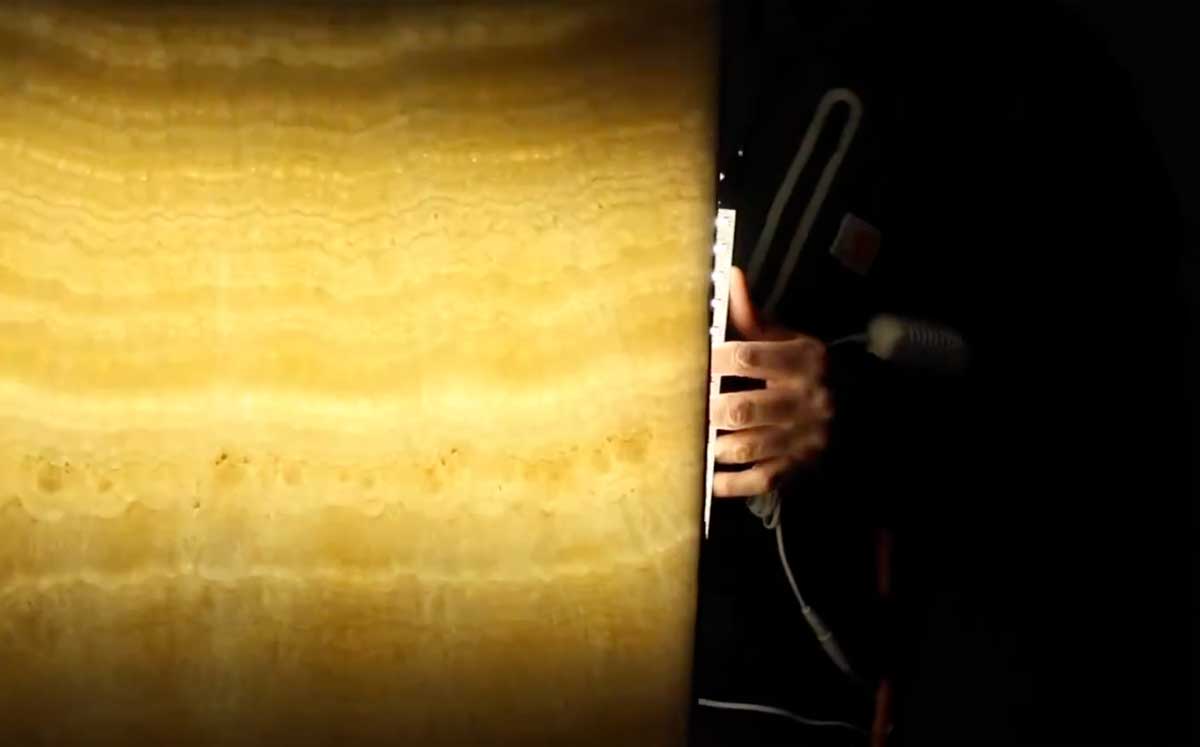
Proper diffusion doesn’t just eliminate hotspots – it enhances every visual and functional aspect of a space:
• Surfaces appear richer, deeper, and more dimensional
• Colors stay accurate and consistent
• Brand visuals become more immersive
• The installation looks intentional and refined
Uniform backlighting communicates craftsmanship. It shows that every layer – from surface material to lighting system – was chosen deliberately.
Great backlighting is more than just placing LEDs behind a panel. It’s a scientific process that combines physics, materials, and precision engineering. With the right diffusion strategy, designers and fabricators can deliver installations that feel seamless, balanced, and premium.
Whether you’re illuminating stone, resin, textiles, or custom surfaces, understanding the science behind diffusion ensures your project achieves the smooth, luminous quality that defines professional backlighting.















-twgif_1200px.gif)


