
Backlit surfaces have become a defining feature in modern architectural design. From backlit wall panels and illuminated stone to acrylic and resin installations, backlighting allows designers to transform ordinary materials into striking visual elements.
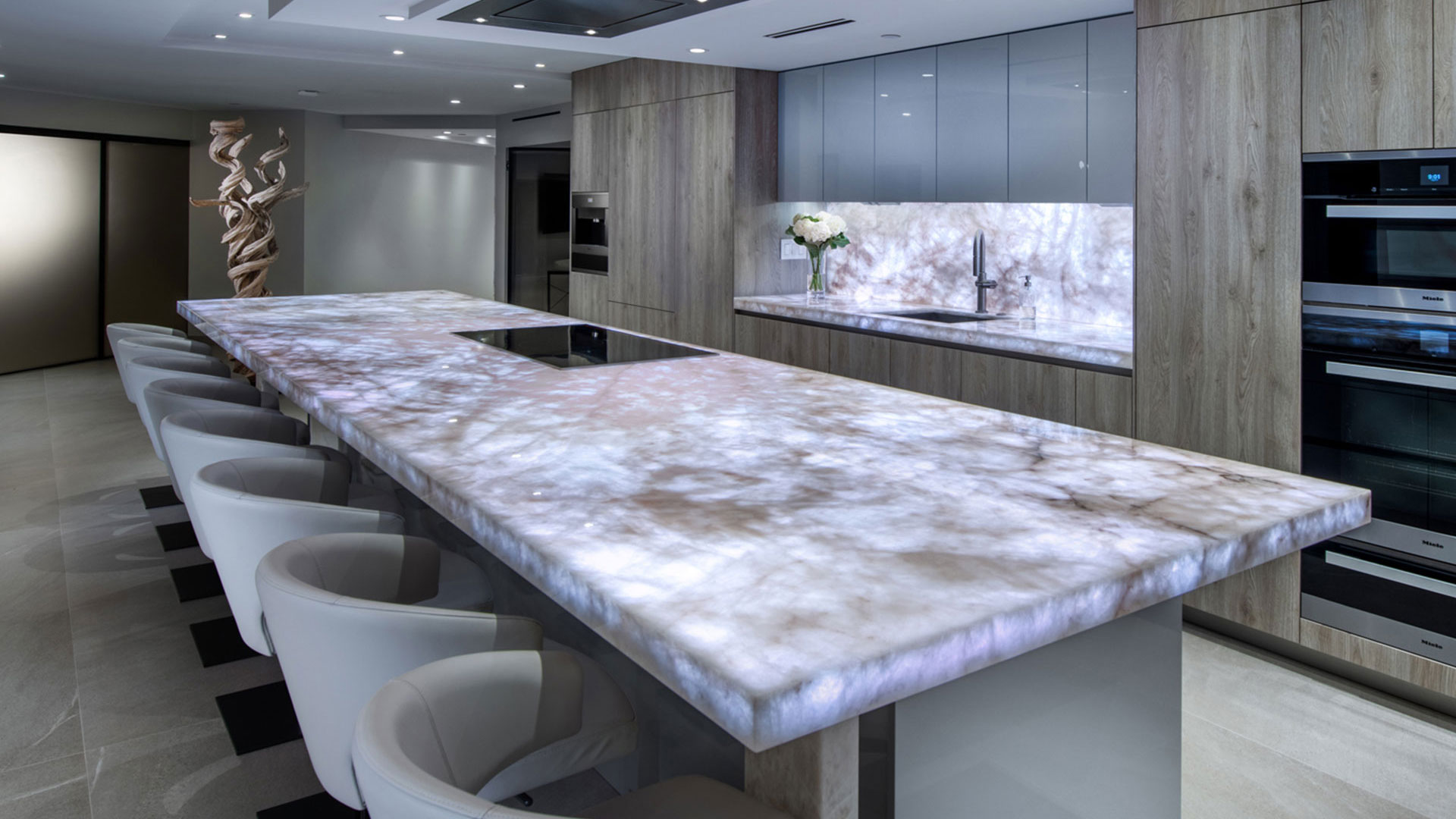
But achieving smooth, even backlighting requires more than simply placing a light source behind a surface.
Uneven brightness, visible hotspots, and inconsistent illumination are common issues in backlighting design – especially when key factors like LED spacing, material diffusion, and cavity depth are not considered early in the process.
• What causes uneven backlighting
• How to avoid hotspots and shadows
• Best practices for designing evenly lit backlit wall panels
If you’re new to backlighting design, you may also want to review our Backlighting Design Guide, which covers the core principles behind uniform illumination.
One of the most common causes of poor backlighting is inconsistent LED placement.
When LEDs are spaced too far apart, bright points of light can appear behind the material. These hotspots disrupt the smooth, continuous glow expected in backlit wall panels and architectural surfaces.
This issue is especially common when using LED tape light across large areas, where maintaining perfectly consistent spacing becomes difficult.
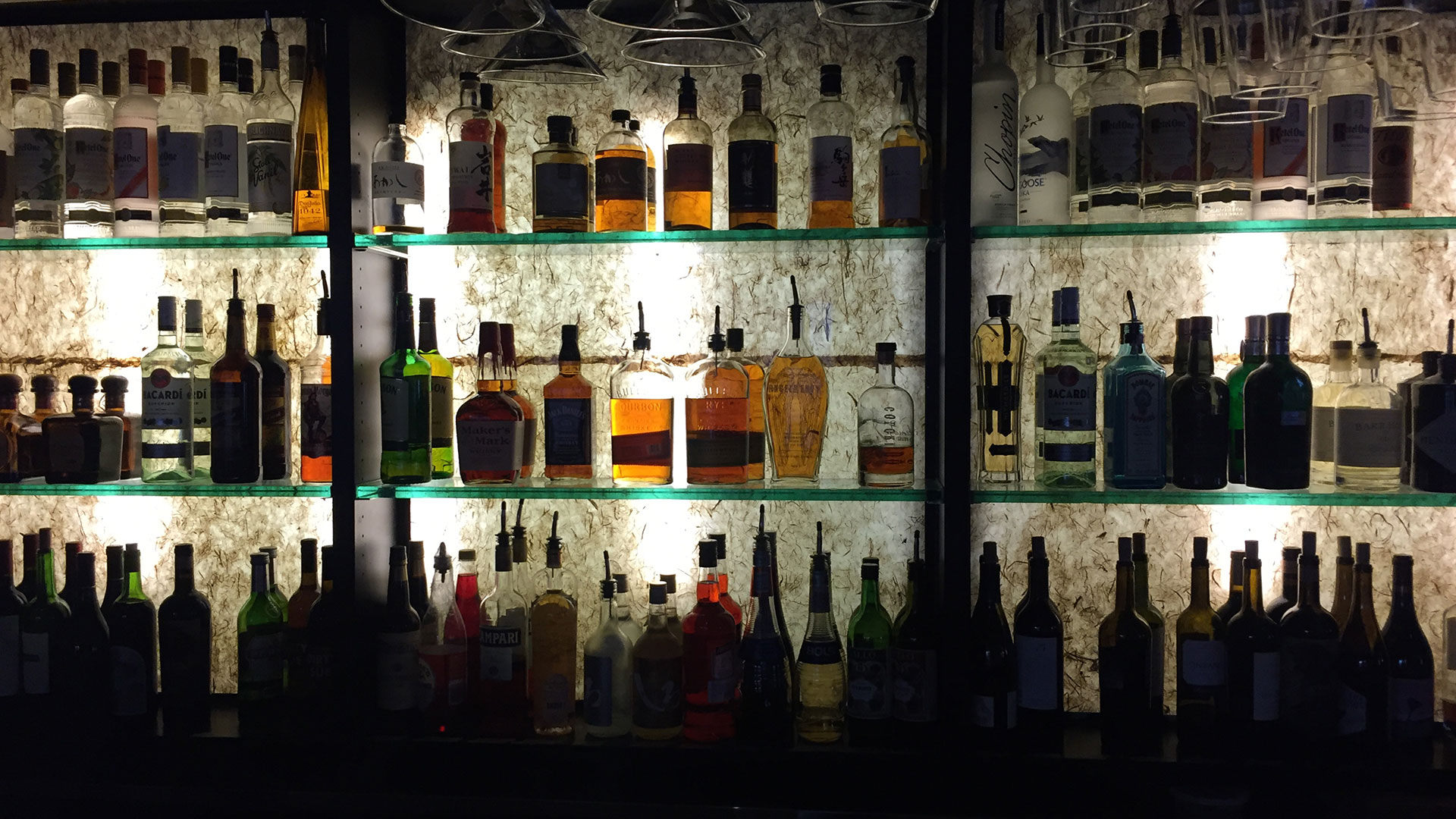
Use lighting systems that maintain consistent LED density across the entire surface. This is critical forachieving even backlighting across large panels. Never use tape light as it isnot the right tool for backlighting applications.
Every material interacts with light differently.
Translucent stone, acrylic panels, resin surfaces, and glass all diffuse light in unique ways. Some materials scatter light effectively, while others require additional diffusion layers to eliminate visible LED patterns.
Ignoring how a material transmits light often results in uneven backlighting or visible lighting structures behind the panel.
Evaluate the light transmission and diffusion properties of the material before designing the backlighting system. This ensures the lighting approach matches the material’s behavior. If your material is too transparent, add a physical diffusion layer. There are many different types of diffusion materials and they vary by thickness and light transmission properties. Learn more about diffusion.
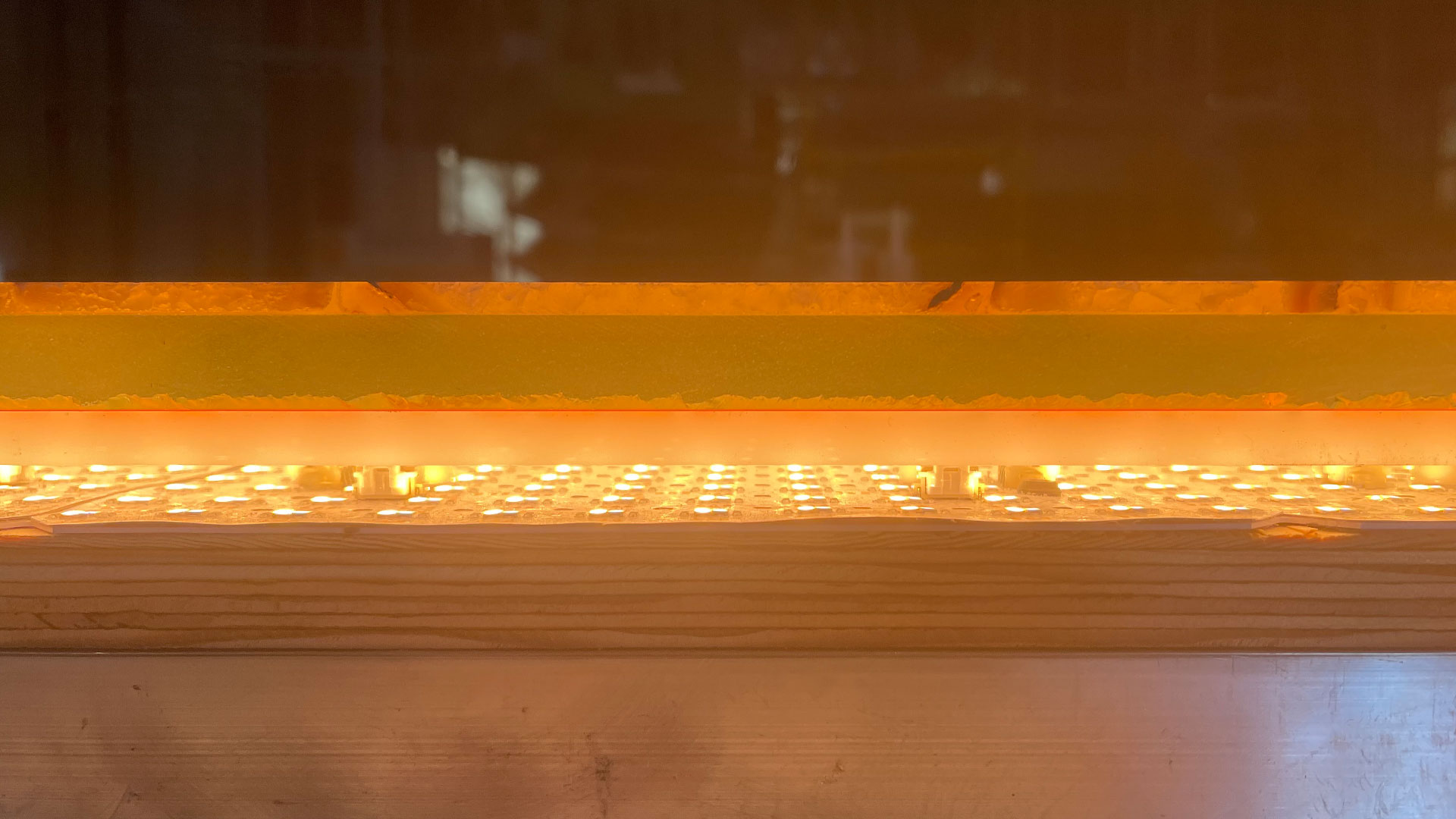
Cavity depth plays a critical role in achieving even backlighting.
If the light source sits too close to the surface, individual LEDs become visible. Increasing the distance allows light to spread and blend before reaching the panel, creating more uniform illumination.
In many applications, cavity depth is limited by cabinetry, millwork, or wall construction. That’s why the entire backlighting design should be considered early in the project.
Allow sufficient space between the light source and the surface to promote even light distribution. If cavity depth is limited, many designers turn to light sheet systems to achieve more consistent illumination in shallow spaces.
Large backlit wall panels often require multiple lighting runs, power supplies, and wiring connections.
With traditional LED strip lighting, layouts can quickly become complicated – especially across larger surfaces when consistent spacing is required. LED light panels can help reduce some of this complexity, but their fixed sizes may still require multiple units, additional wiring, and careful planning to fit the overall design.
More components and connections increase installation time and introduce additional points of failure. Complex systems can also make troubleshooting more difficult after installation.
Choose lighting systems that simplify layouts and reduce the number of connections required across the surface. Streamlined systems are easier to install, maintain, and scale – especially for larger or custom backlighting applications. Products like our TRAX Array are perfect for those medium to large-scale backlighting projects.
Even the best lighting layout can fail without proper power planning.
Incorrect driver sizing or uneven power distribution can lead to flickering, brightness inconsistencies, and reduce LED lifespan. These Problems often appear after installation, when they are more difficult and costly to fix.
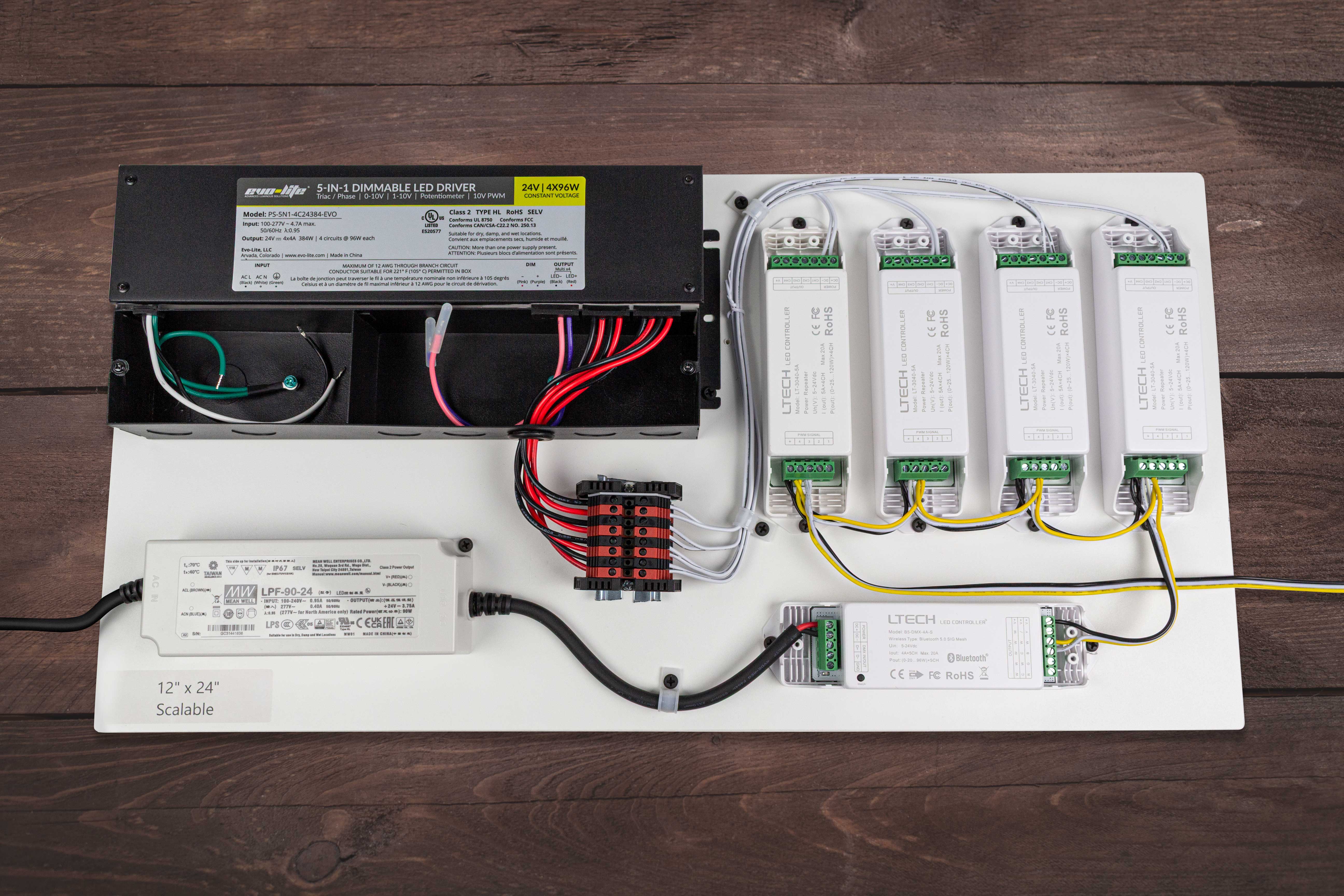
Plan driver capacity, power distribution, and control systems early in the design process to ensure consistent performance across the entire backlit surface
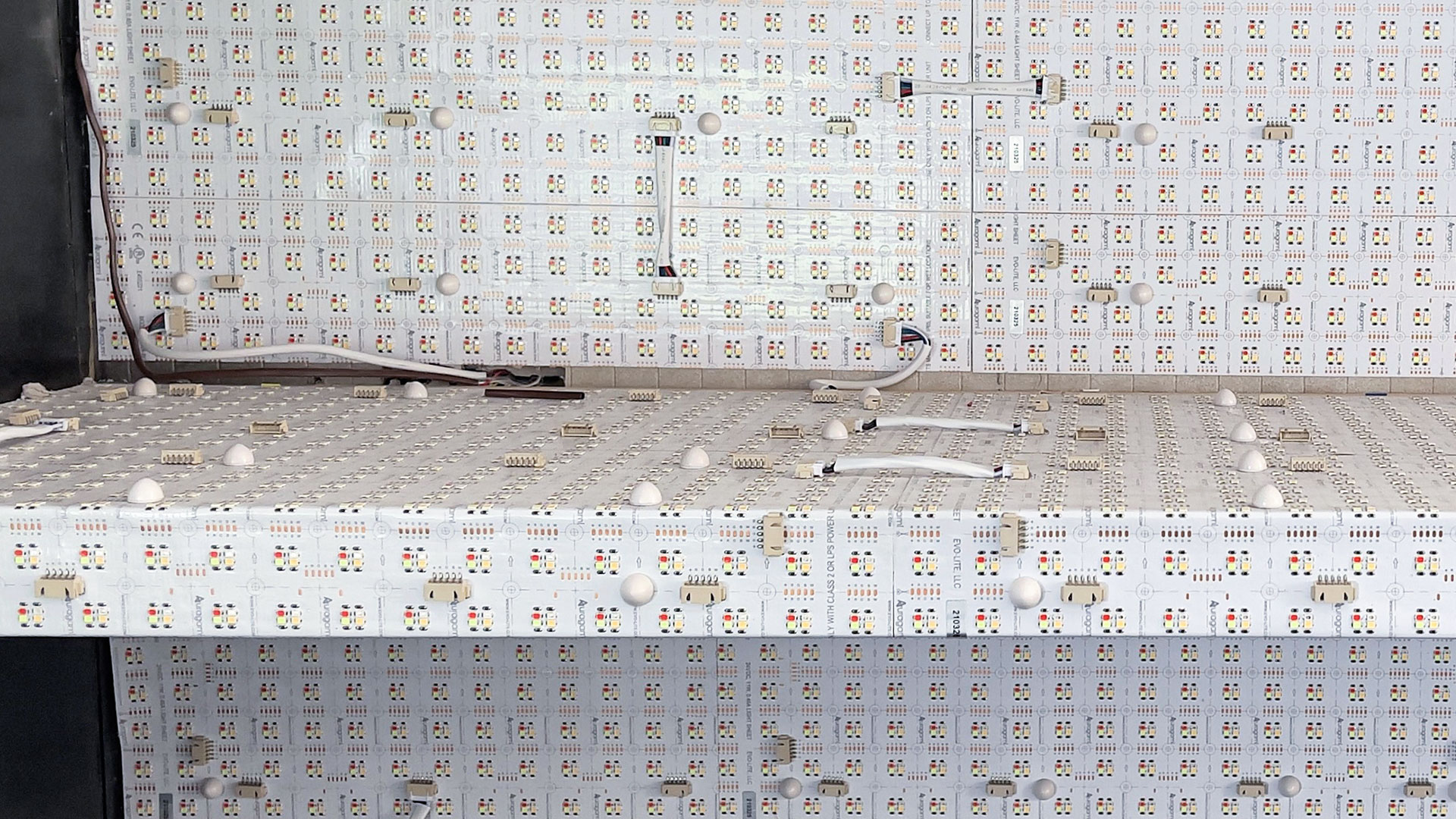
Even well-designed backlighting systems can create challenges during installation.
Rigid lighting products or complicated layouts may be difficult to adapt to custom surfaces, irregular panel sizes, or tight spaces. LED strip lighting often requires precise placement, while LED light panels – though more uniform – are typically limited to fixed sizes and may not easily accommodate unique geometries or constrained conditions.
These limitations can slow fabrication, increase installation complexity, and create unexpected challenges in the field.
Select backlighting systems that are flexible and adaptable to real-world installation conditions. Systems that can be easily modified to fit custom dimensions and layouts help ensure a smoother process from fabrication to final installation.
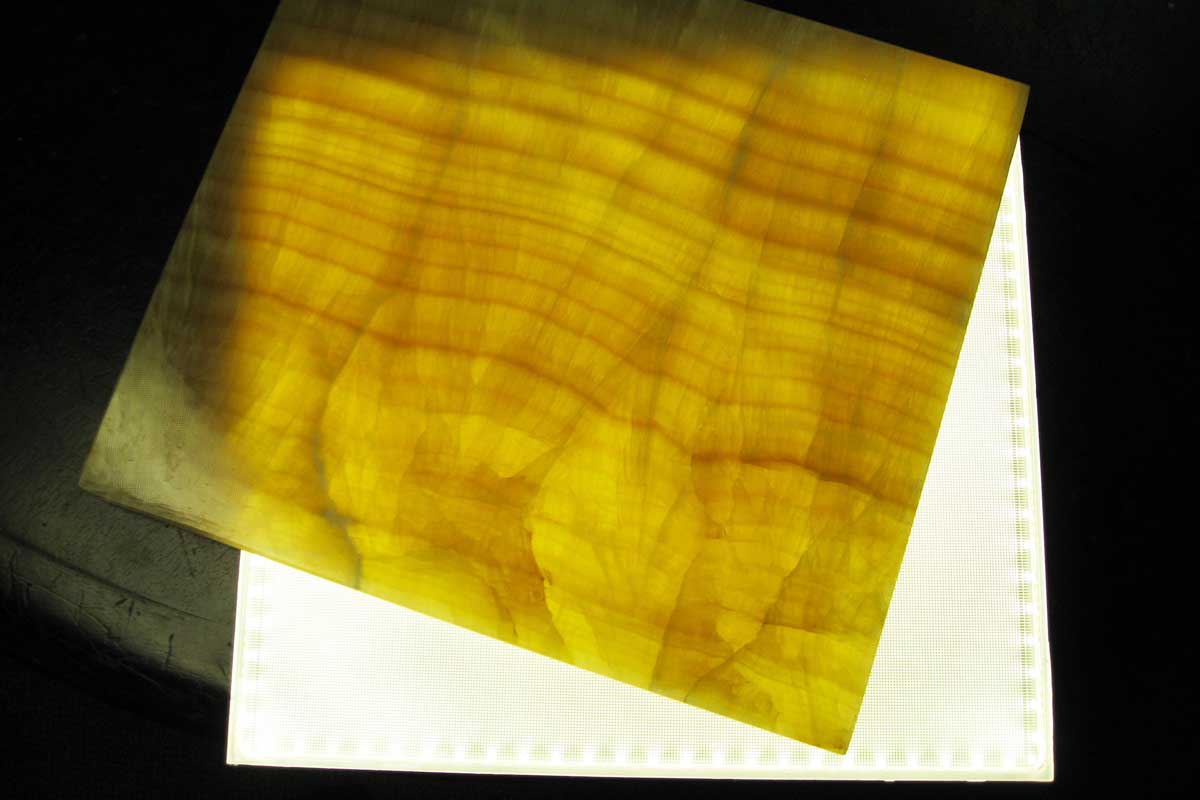
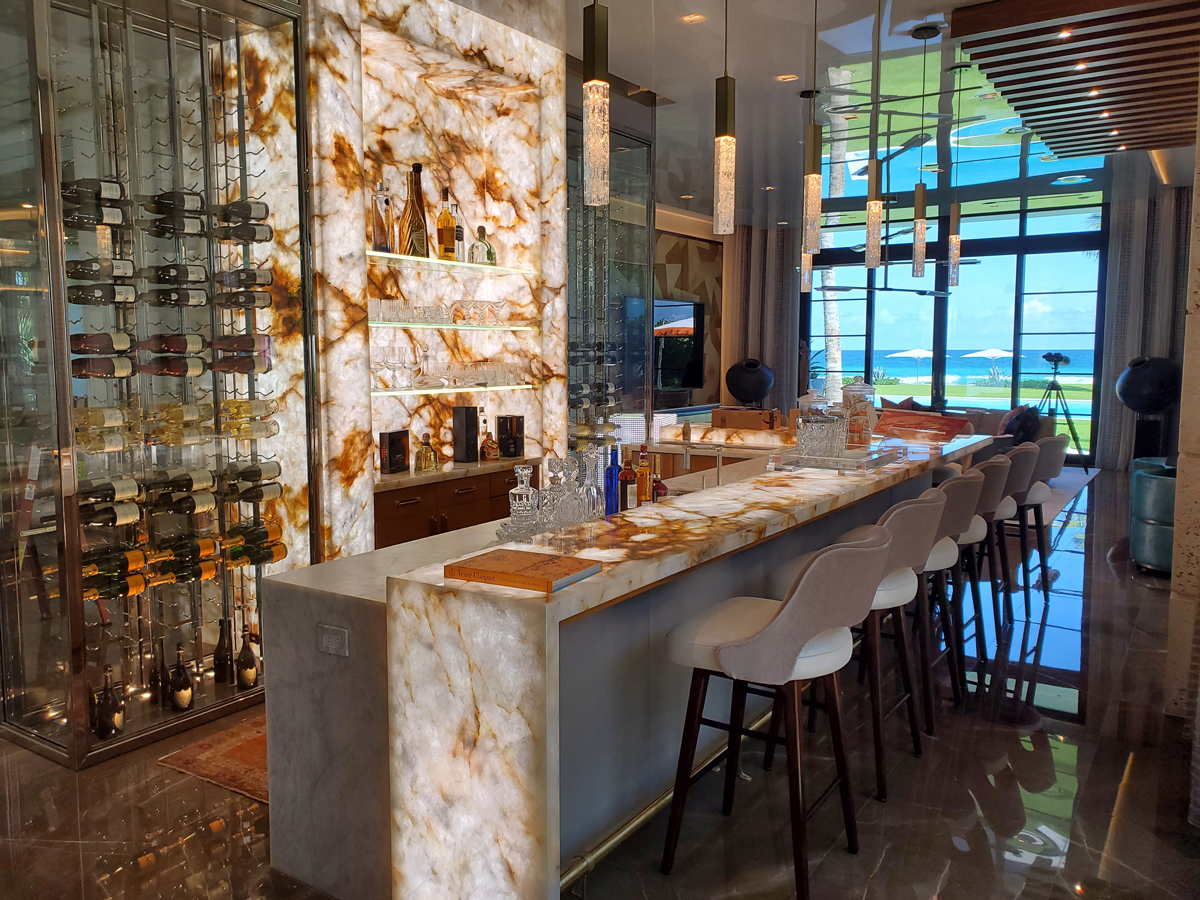
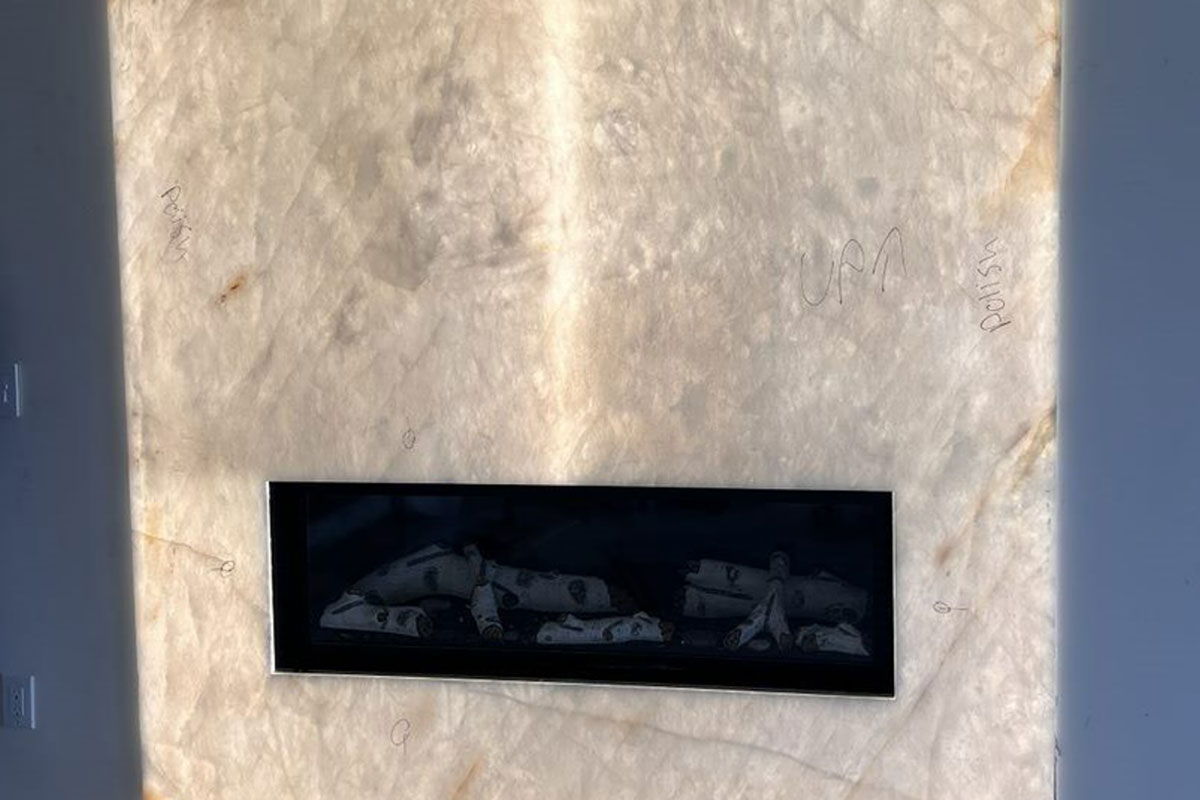
Backlit stone surfaces are among the most visually striking applications of architectural backlighting. Materials such as onyx, quartzite, alabaster, and translucent marble allow light to pass through the stone, revealing natural veining and depth.
However, these materials can also make uneven backlighting more noticeable.
Variations in thickness and natural patterning can amplify hotspots or shadows behind the panel. Because of this, achieving even backlighting in stone requires careful attention to LED spacing, diffusion, and cavity depth.
When these factors are managed properly, backlit stone installations can deliver clean, consistent illumination and dramatic visual impact.
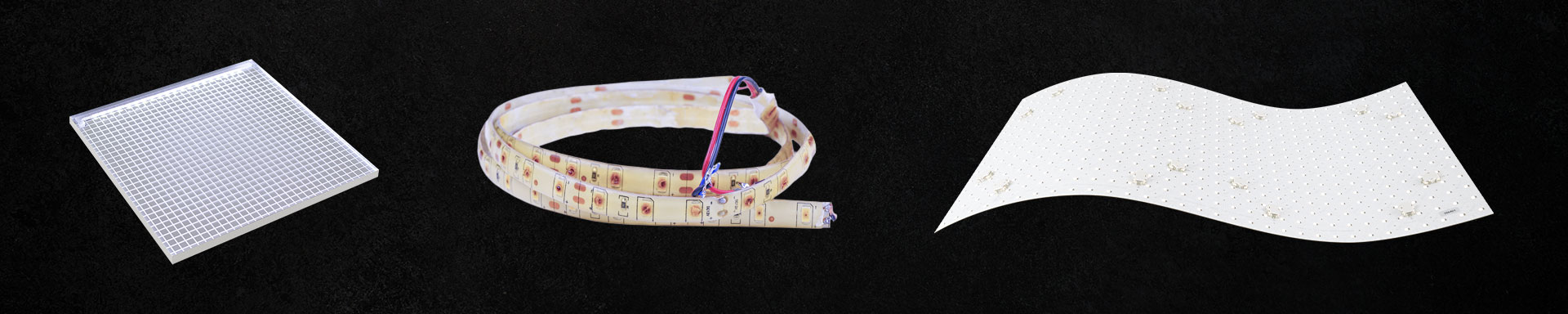
When designing for even backlighting, choosing the right lighting system is just as important as spacing, diffusion, and cavity depth.
The three most common approaches – LED strip lighting, LED light panels, and LED light sheet systems – each offer different advantages and limitations.
• Requires precise spacing to avoid hotspots
• Can be difficult to scale across large surfaces
• Cheaper upfront, but involves significant labor and provides poor results
• Provide more uniform illumination than strips
• Are made to exact specifications in the factory and can’t be field-modified.
• Difficult to achieve consistent results when creating advanced shapes
• Custom-made per order which results greater delivery timelines
• Deliver consistent LED density across the entire surface
• Can be cut and bent for complex geometries
• Simplify installation with fewer components and connections
For projects requiring large-format backlit wall panels or custom architectural surfaces, flexibility and uniform light distribution are critical to achieving even backlighting.
Achieving even backlighting often depends on selecting the right lighting system for the application. Many common challenges – such as hotspots, inconsistent brightness, and complex layouts – stem from the limitations of traditional LED strip lighting and rigid LED light panels.
LED strip lighting can make it difficult to maintain consistent spacing across large surfaces, often leading to visible hotspots. LED light panels improve uniformity, but are typically limited to fixed sizes and can be difficult to adapt to custom shapes, tight spaces, or complex installations.
Light sheet technology offers a more flexible approach.
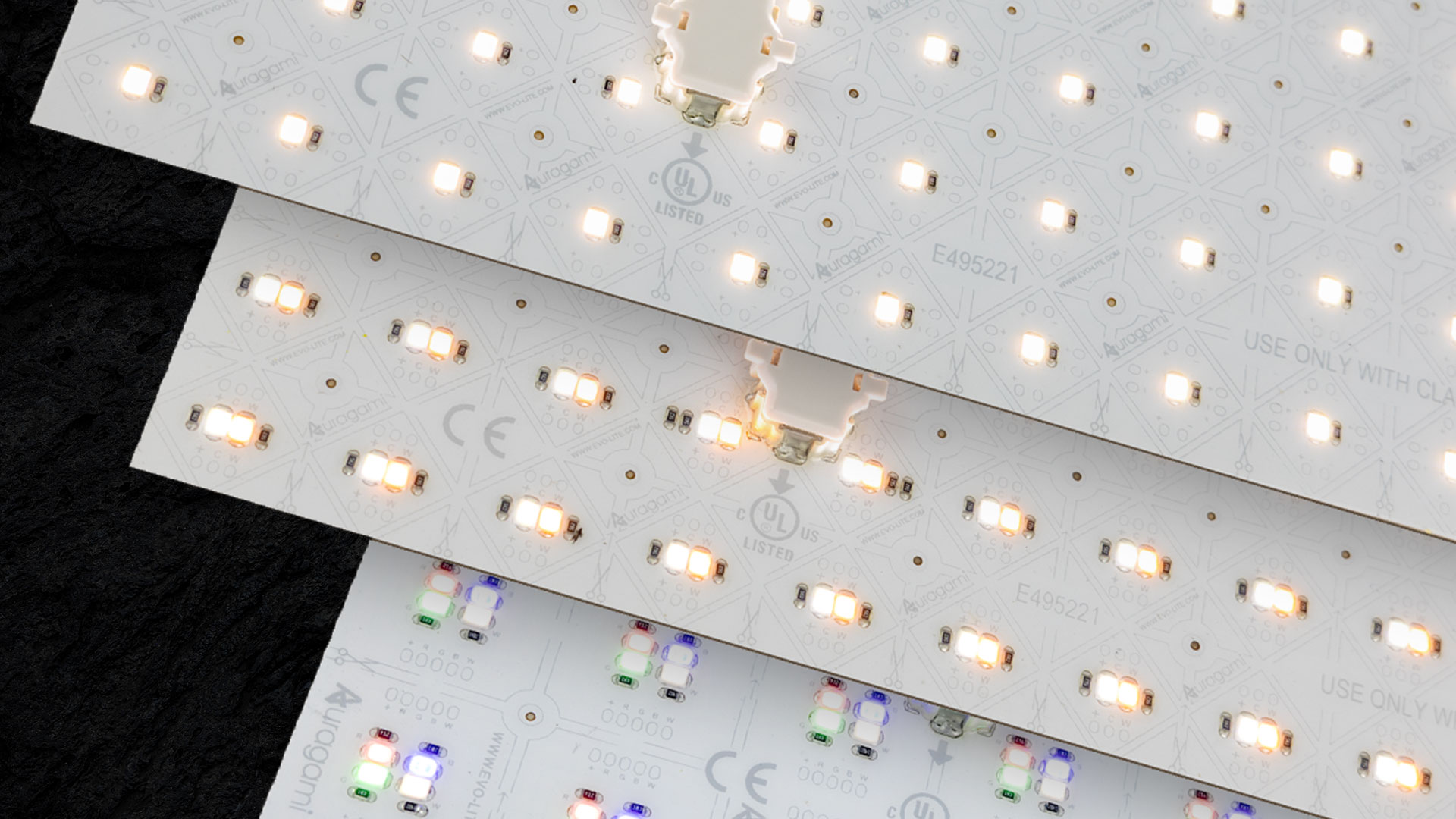
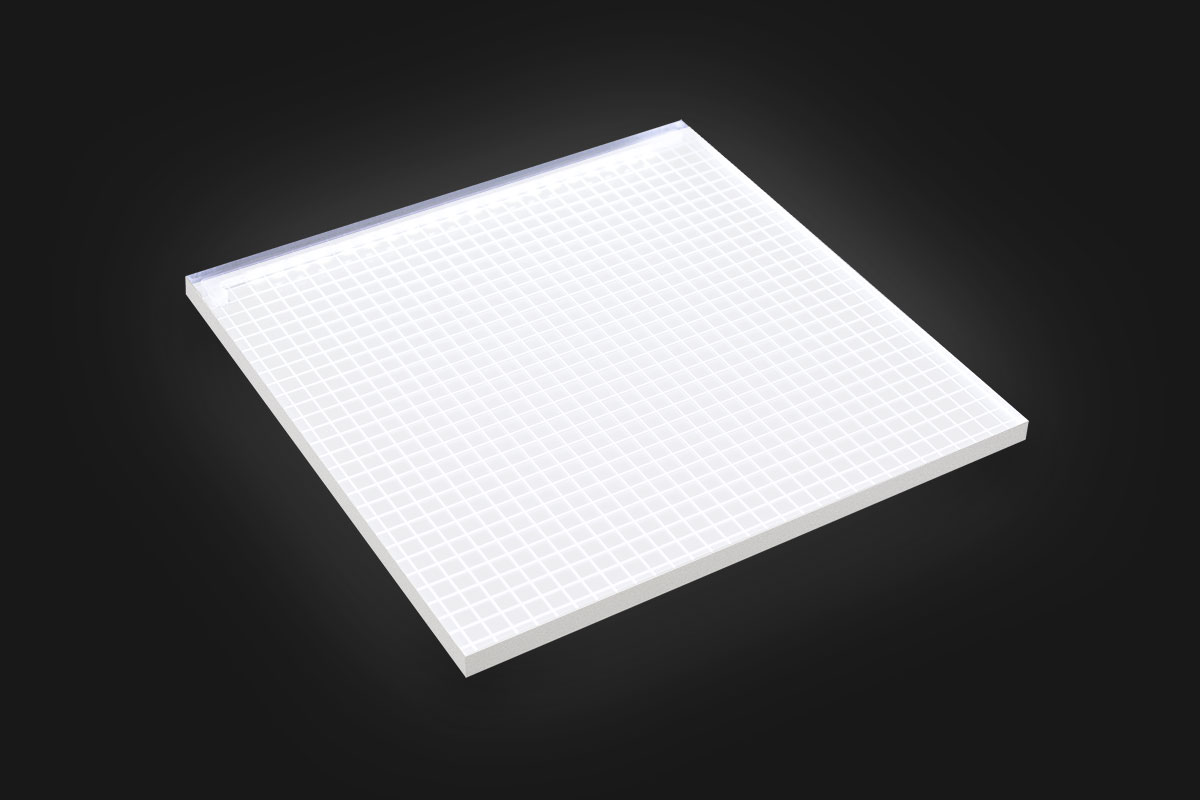
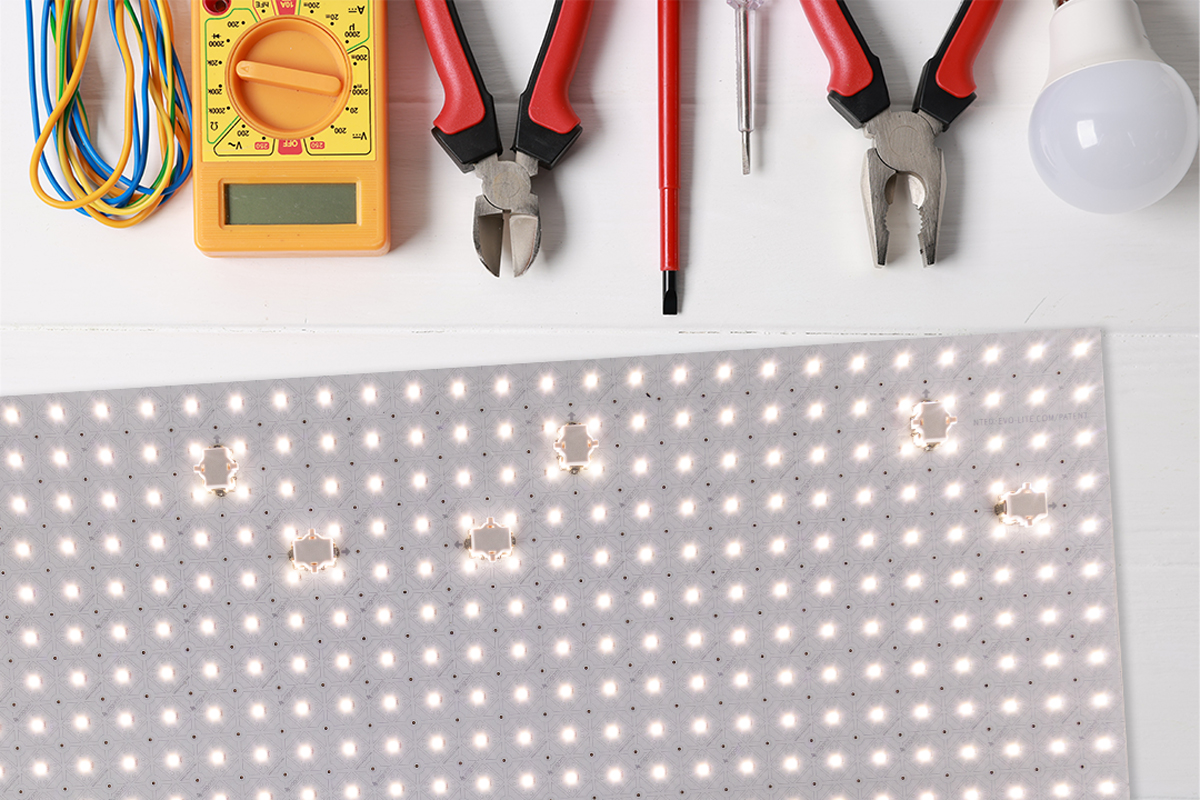
Instead of placing LEDs in linear runs or fixed panels, light sheets distribute LEDs evenly across any surface. This creates consistent light density across the entire illuminated area, helping to reduce hot spots and improve overall uniformity.
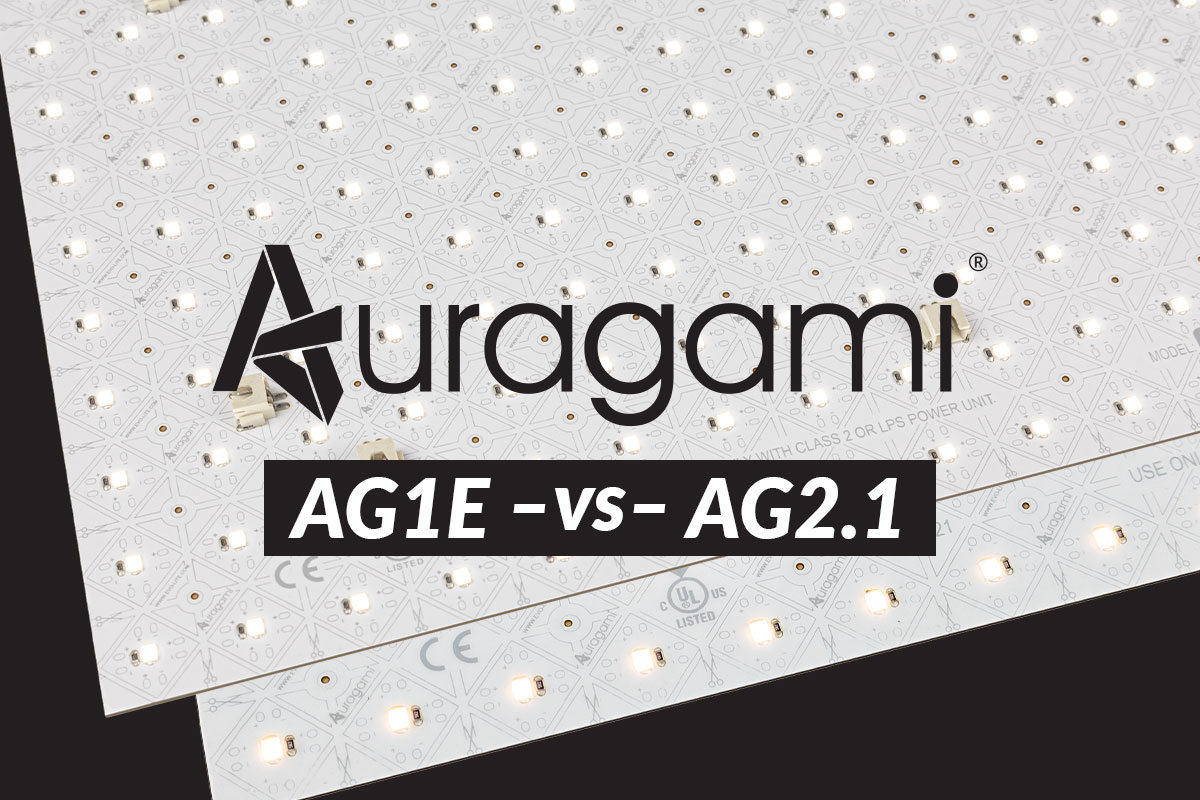
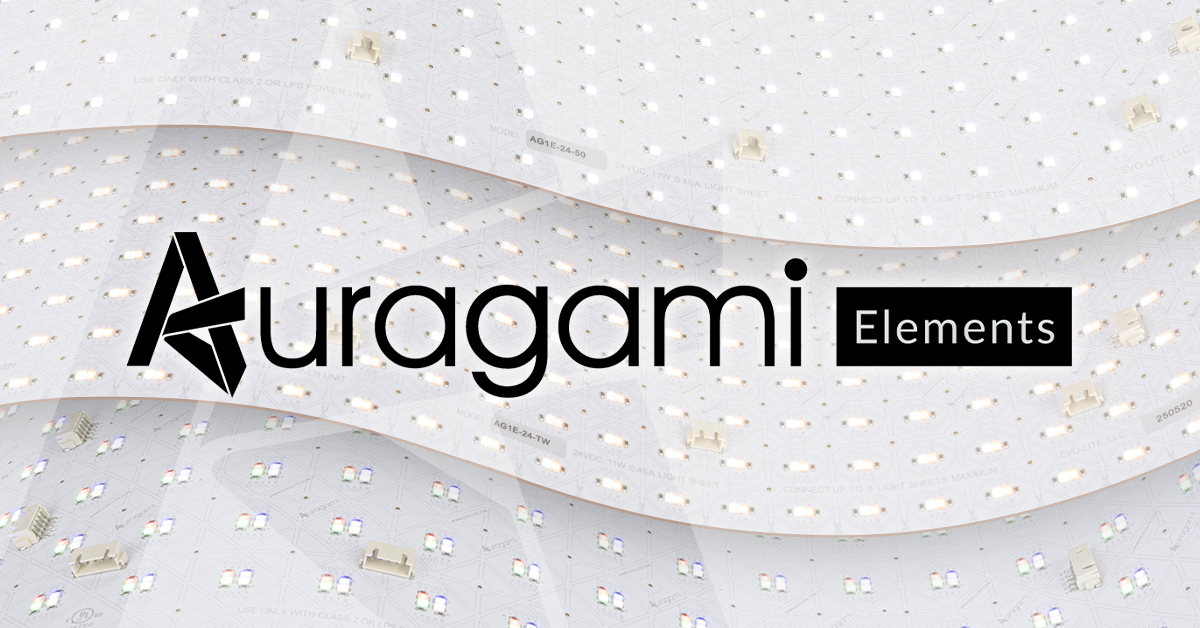
Auragami Gen 2 light sheets are engineered specifically for architectural backlighting applications. These flexible panels can be trimmed and adapted to fit custom dimensions, complex geometries, and tight installation conditions – something that is often difficult to achieve with standard LED panels or strip-based systems.
The result is a more efficient and adaptable way to achieve even backlighting across a wide range of materials, including backlit wall panels, stone, and other translucent surfaces.
Achieving even backlighting requires more than selecting a light source—it depends on how lighting layout, materials, and installation constraints work together.
By addressing these common mistakes early in the design process, designers and fabricators can create smooth, consistent illumination across any backlit surface.
When evaluating lighting systems, it’s important to consider not only performance, but also flexibility, installation efficiency, and long-term reliability.
If you’re designing backlit wall panels or architectural features, newer approaches like light sheet technology can simplify the process while delivering consistent, even backlighting at scale.









-twgif_1200px.gif)


